
By: Mustafa Ahmad
Edited By: Alexandra Huggins
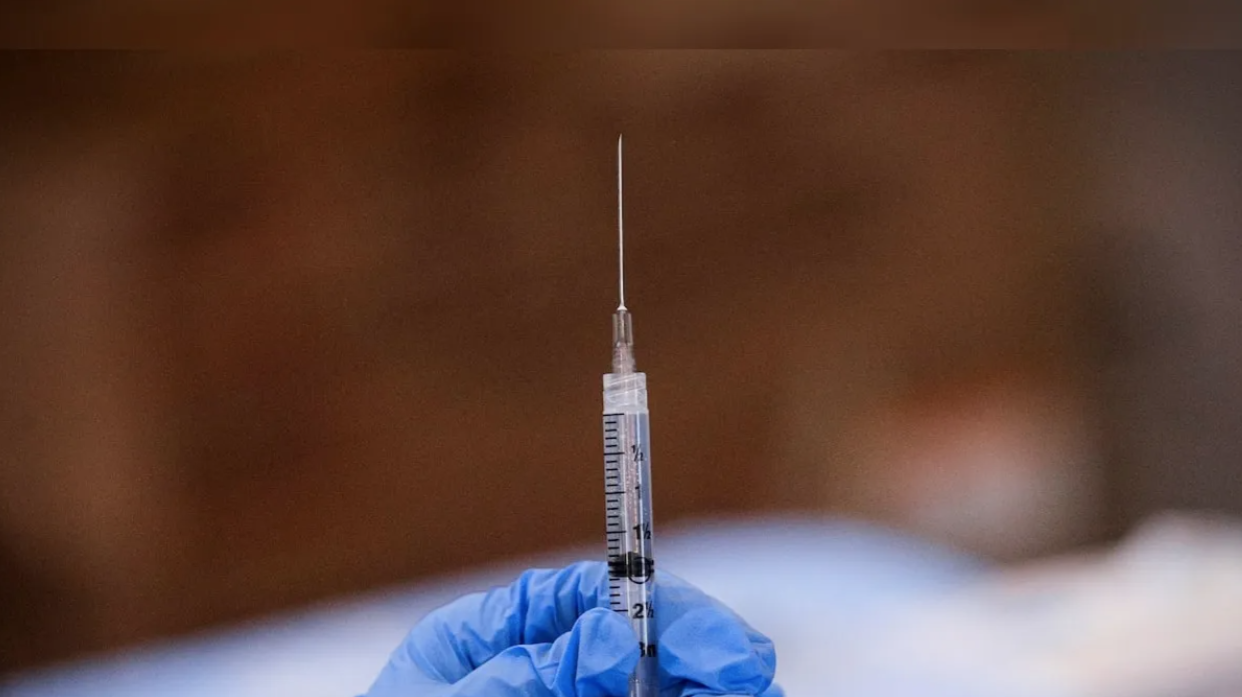
On November 9, 2023, the US Food and Drug Administration (FDA) approved the world’s first marketed vaccine for the mosquito-borne Chikungunya virus, Ixchiq, for use in the United States. Ixchiq, created by the French biotechnology company Valneva, is a single-dose, live-attenuated vaccine. That is, the vaccine is administered in one shot and contains a weakened, live form of the Chikungunya virus to build immunity without causing illness.
Chikungunya is a mosquito-borne viral disease transmitted through the bite of infected female species of the Aedes aegypti and Aedes albopictus mosquitoes. Since the virus re-emerged in 2004, the total official estimates of reported Chikungunya cases worldwide range between 2 million and 3.4 million. However, this number might be underestimated due to cases exceeding 1 million and even disputed as underestimates in some places like India and Latin America. Though the present resurgence of the virus is thought to have originated in Kenya around 2004, the disease primarily affects the Americas and Southeast Asia. Brazil and Paraguay suffer some of the highest rates of infections and deaths from Chikungunya worldwide. However, smaller outbreaks still emerge in South Asia and sub-Saharan Africa.
The history of the Chikungunya vaccine goes back over seven decades when researchers first discovered and isolated the virus following an outbreak in Tanzania in 1952. However, despite scientific efforts, only five vaccines entered clinical trials before Ixchiq. From its initial funding in 2020 until earlier this year, Ixchiq reported strong results in clinical trials that demonstrated it was a promising candidate.
Chikungunya does not comprise as much of a disease burden as similar arboviruses like dengue and other diseases like malaria, even in endemic areas. So, why do Chikungunya disease and its nascent vaccine merit greater attention?
First, there’s the simple human aspect of it. Chikungunya infection is notorious for causing acute joint pain. The discomfort and pain can be severe, impacting an individual’s ability to carry out daily activities. Moreover, these joint-related symptoms can persist for extended periods, ranging from months to years. This prolonged suffering can lead to significant lifestyle changes, particularly affecting low-income workers who depend on manual labor for their livelihoods.
Chikungunya is also cited as one of dozens of pathogens that can be transformed into a potential biological weapon. The US Army has long recognized this threat, which has also caused great concern among scientists and public institutions outside of the United States. In large part, Chikungunya presents a threat as a biological weapon because it can be spread through aerosol, though more research is needed to understand how this works fully. The intentional release of the virus could have severe consequences, leading to widespread outbreaks and threatening national and global security. Understanding and developing effective countermeasures, such as vaccines, is crucial not only for public health but also for preventing the malicious use of the virus.
Additionally, as with other mosquito-borne diseases, the present and future threats of climate change are a cause of concern with Chikungunya. Western nations, in particular, would do well to pay attention. Unlike malaria and dengue, Chikungunya is still transmitted in North America and Europe. Admittedly, this happens at much smaller scales and occurs primarily through travel-contracted cases. However, climate change will likely alter these dynamics. Climate change, with its alterations in temperature and precipitation patterns, affects the distribution and behavior of these mosquitoes. This, in turn, influences the spread of Chikungunya and other diseases. Chikungunya vaccines will be one of many crucial barriers in protecting the vulnerable and mitigating the public health threats of climate change, past and present.
The approval of Ixchiq marks a significant milestone in the global fight against Chikungunya, offering a beacon of hope for the millions who have suffered from this debilitating mosquito-borne disease. Given the critical chances to the global health landscape ahead, the next step is to address how Ixchiq and vaccines like it can be made accessible to those who need it most.