
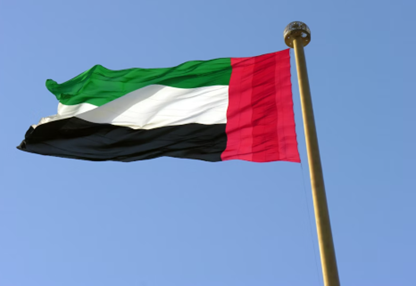
Over the past several decades, the United Arab Emirates (UAE) has generated a unique reputation on the global stage, even among its neighbors. Cities like Dubai or Abu Dhabi, with their flourishing infrastructure, affluence, and quality of life, put into perspective the vast achievements the small country has made.
At the same time, the country is often criticized for its poor record on human rights, as well as for its involvement in conflicts including the ongoing Yemeni civil war. This unique intersection, compounded by the UAE’s position as a monarchial rentier state, raises an intriguing question: how has the UAE achieved all of this monumental progress in only a few generations’ time?
Many may be quick to point out that the UAE is not so different from its Gulf neighbors, such as Saudi Arabia, Qatar, and Kuwait. However, the UAE has developed in ways that other Middle Eastern states, including these neighbors, have not. Examples of this distinction include the Emirates’ leadership in the realms of AI, solar, and well-being. Looking closely at these three variables illustrates the ways through which the Emirates have built and kept their competitive edge in the Gulf.
In addition to exporting massive amounts of oil each year, the region is keenly aware of the need to diversify its own energy sources. Accordingly, the past decade has seen an explosion of solar parks across the Gulf. At the time of writing, the UAE had the highest installed renewable energy capacity in the Middle East region, with 6.3 GW (Egypt and Saudi Arabia had 4.6 and 4.5 GW, respectively).
Moreover, the UAE announced earlier this year that they have broken ground on a massive solar farm, complete with the world’s largest battery storage facility, which will store immense amounts of energy. Expected to be completed in 2027, the completion of this facility will solidify Abu Dhabi as both a regional and global leader in solar energy.
Similarly, the UAE has played a commendable role in the realm of artificial intelligence.To start, the Ministry of Artificial Intelligence, which dates back to 2017 and is the first such ministry of its kind in the world, has made major headways in the industry.
As a result, other Gulf states have begun to invest and innovate in the realm of AI. Through the help of this ministry and its work in the field, the UAE invested billions of dollars into AI, and today it is the 8th largest investor in AI in the region and the largest in the Middle East.
Beyond the realms of technology, it’s also important to consider other developmental factors, including the quality of life. Over the past several years, the UAE has held the highest Human Development Index, or HDI, in the Middle East.
A UN project that measures income, health, education, and development in every country, the HDI touts the UAE’s “very high human development.” Additionally, the UAE ranks highest each year in the World Happiness Report in the Arab World and enjoys one of the highest life expectancy rates both in the Gulf and in the Middle East overall.

The governance structures in the UAE lies at the core of what separates the Emirates from the rest of the region. Put another way, the Emirati monarchy, starting in the 1970s with the independence of the nation, adopted a strategy of proactivity, embracing technological changes and innovations.
This strategy has allowed the country to not only be a technological leader in the region but also to be resilient and adaptable. In essence, while many countries in the region react to global and regional developments, the UAE has often found itself more prepared to address said developments.
Alongside this proactive approach, the UAE’s scrutiny on the global stage must also be put into context. Ranging from concerns about labor rights and civil liberties to actions that have contributed to escalations of violence across the region, the UAE faces serious challenges that should not be overlooked.
This notwithstanding, the state’s dynamic approach to governance has worked. Emblematic of this success is both the developmental success of the Gulf and the rest of the region’s efforts to adopt similar technologies and strategies. As the Emirates continue to drive much change within and outside of the Gulf, the country stands as an exemplary case study in understanding the effects of proactive governance.
Edited By: Blake Uhlig