
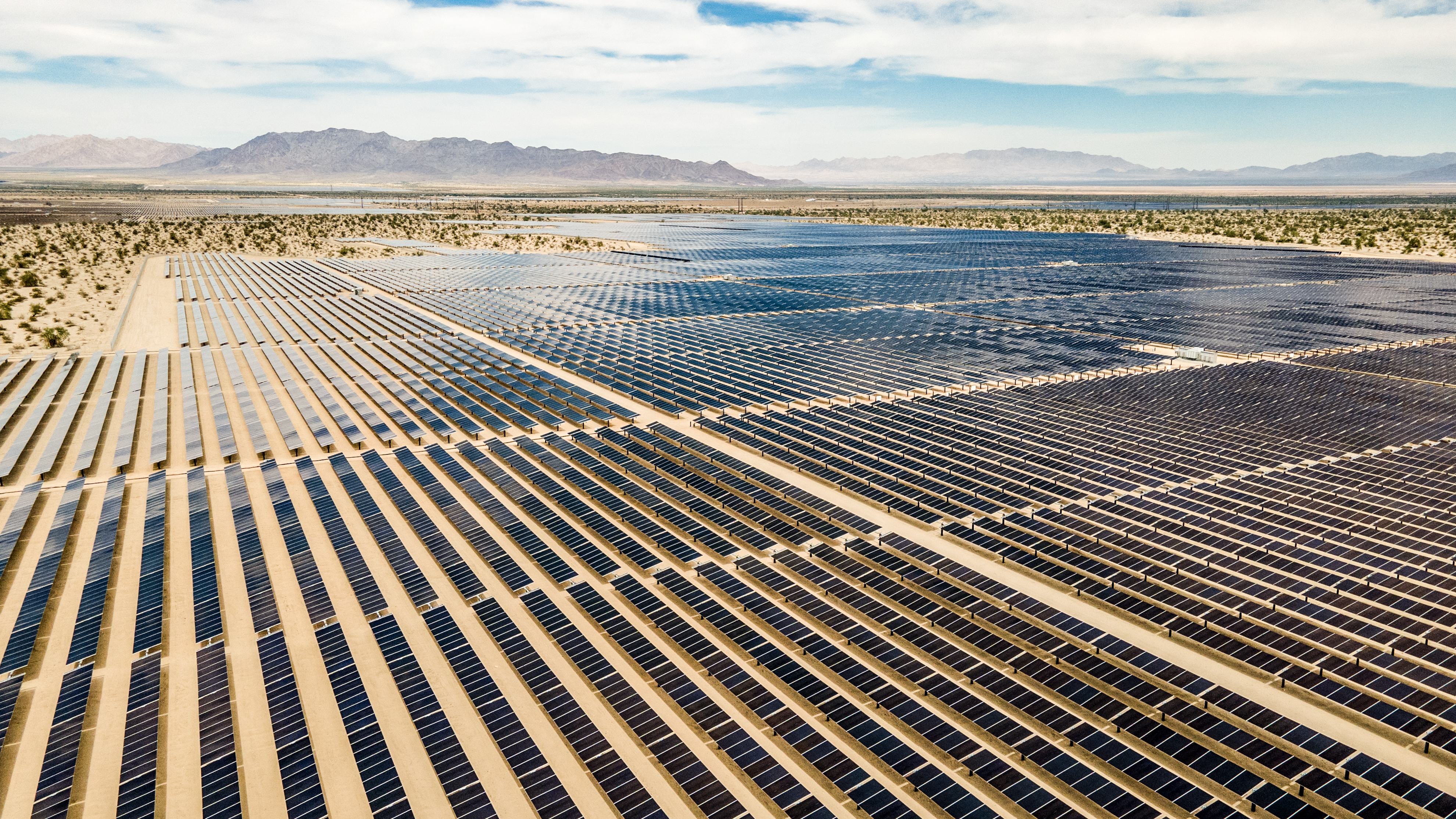
In Riverside County, CA, Intersect Power’s Oberon Solar + Storage Facility generates enough electricity to power 207,000+ homes a year and features 250 MW/1000 MWh of co-located storage. Photographer: Michael Slider
Energy is at the forefront of conversations today, and its emerging bottlenecks are paving the way for innovators to build “Energy Tech Startups”. Addressing existing challenges in energy is crucial, but responsibility for action is no longer confined to governments, multilateral institutions, non-profits or advocacy groups. The urgency of the climate crisis has led startups to pioneer innovative solutions.
This widespread rise of climate tech startups comes at a time when solutions need to be swift and fast. Founders are recognising gaps in energy efficiency, grid systems and energy storage, and are prioritising affordability and accessibility to a wider community. Traditionally, the energy sector is extremely high-stakes. It is highly regulated and risk-averse, and prioritizes stability.
Yet these emerging startups can build tools that challenge the paradigms of the traditional energy sector. They recognise complexities in the existing power systems, and are making them smarter and more flexible. They are able to research and develop new technologies that traditional companies find too risky, and they recognise opportunities in minute gaps in the market that are too small for larger companies to consider.
Here are 4 fascinating energy tech startups that should be on your radar:
- Ecoflow:
Ecoflow strives to address two key problems. First, they have developed smart whole-home energy systems that enhance energy efficiency in households and significantly reduce electricity bills. Second, they are well known for their industry-leading portable power stations. Their products, such as portable solar panels or solar storage, can be conveniently connected anywhere, allowing scope for flexibility and customization to the customers. Their adaptive solar models turn any sunlit surface, from backyards to rooftops, or even gardens and vertical walls, into a mini power station. They have a ‘One Step Plug’ application model which makes their product extremely accessible. Their household energy systems integrate solar power, grid electricity, and generators and their EcoFlow app understands energy usage patterns and optimizes it.
- Oxylus Energy:
Oxylus developed a single step electrolyzer technology that converts carbon dioxide into clean methanol using only renewable electricity and water, a model that strives to help meet the net-zero emissions target. Methanol is an extremely versatile molecule and has uses across fuels, plastics, solvents and speciality chemicals. However, 95% of it comes from fossil fuels. Oxylus, an emerging e-fuel startup, changes this. Their clean methanol has a consumer base across industries. In the consumer goods space, it is used in packaging, textiles and fibres, cleaners, adhesives and in paints. It is also widely used as a marine fuel in container ships, tankers, cargo and increasingly, in the aviation sector. Their technology can be dropped in existing aviation fuel supply chains and turn CO2 into e-methanol, which is eventually converted into sustainable aviation fuels.
- Voxel Energy:
“The best grid connection is no grid connection.”
The most consequential shift today is occurring at the intersection of A.I. and energy. The unprecedented rise of A.I. has caused data centres to congest the existing grid models. Voxel aims to solve the bottlenecks caused by grid interconnection delays by introducing off-grid technologies that promise deployment within a year. They build off-grid energy independent data centres that are powered by the sun and repurposed E.V. batteries. With most states predicting at least a waiting period of between 2 to 7 years to integrate into the grids, rapidly scaling organisations cannot afford this wait. The traditional utility model is starting to become a liability, and A.I. lands need to become their own power provider. Recognising these gaps, Voxel energy is pioneering a new standard for data centre architecture.
Source: voxelenergy.,com
- Sosnaa Metelyk:
Sosnaa Metelyk is a climate tech startup with the aim to amplify affordable and accessible DAC (Direct Air Carbon Capture), working across several sectors in the market including energy, solar, water production, clean engines and space and aviation. One of their key products is their portable micro solar carbon capture energy pods enable extraction of carbon dioxide from air and simultaneously generate clean energy through integrated solar panels. This model allows them to mine carbon from the atmosphere anywhere and anytime, in a variety of temperatures even in the absence of solar energy. This pod then offers a range of utility options from person to industrial usage. This product helps accelerate affordable electricity, heating, cooling and water systems, making it a vital solution in the race to meeting the Paris Agreement’s targets.
Climate tech startups are not mere contributors to the search for energy solutions. They have the potential to reshape how energy is allocated, financed and controlled. They are experimenting boldly and iterating quickly. The future of energy will be shaped by imagination, and these startups prove that transformative energy solutions are emerging where convention ends.
Editor: Connor Hartigan