
Global affairs, the discipline we pride ourselves on exploring, is an ever-expanding terrain.
Since the end of May, numerous developments have reshaped our understanding of the world we study.
The US-Iran War has demonstrated how strategic chokepoints like the Strait of Hormuz can become instruments of economic and geopolitical pressure. In tech, rapid advances in autonomous AI have tested the boundaries of human oversight, exposing how quickly technological capability can outpace our ability to govern it. Meanwhile, unprecedented tariff packages and retaliatory sanctions issued by the White House have sent shockwaves through international markets, straining historic alliances and forcing traditional partners to reconsider their trade strategies in real time.
Across the world, waning trust and cooperation among political leaders and institutions have left civilian populations increasingly vulnerable to the consequences of political and military conflict. Human rights and democratic integrity have come under extraordinary strain.
Events of this summer have proven that despite our assumptions about historical continuity, established conventions of trade and statecraft, or predictions of future peace and stability, forces will always emerge that compel us to reevaluate our perspectives. SAIS teaches us that this is a natural aspect of the discipline, and that our ability to adapt and endure through turbulent times gives us a stake in shaping what comes next.
A year after we first entered campus, returning students might have developed a sense of pragmatism that we lacked before. Our view of the world is now informed more by complex problem-solving than by ideological posturing. Our training on Pennsylvania Avenue prepares us for a world of deeply human issues, shaped as much by emotion and uncertainty as by institutions, interests, and power.
We live in an extraordinarily turbulent period. On an emotional level, that turbulence can be difficult to simply observe. Yet for those of us fortunate enough to belong to this community, there may be no more important time to immerse ourselves in the study and practice of international relations.
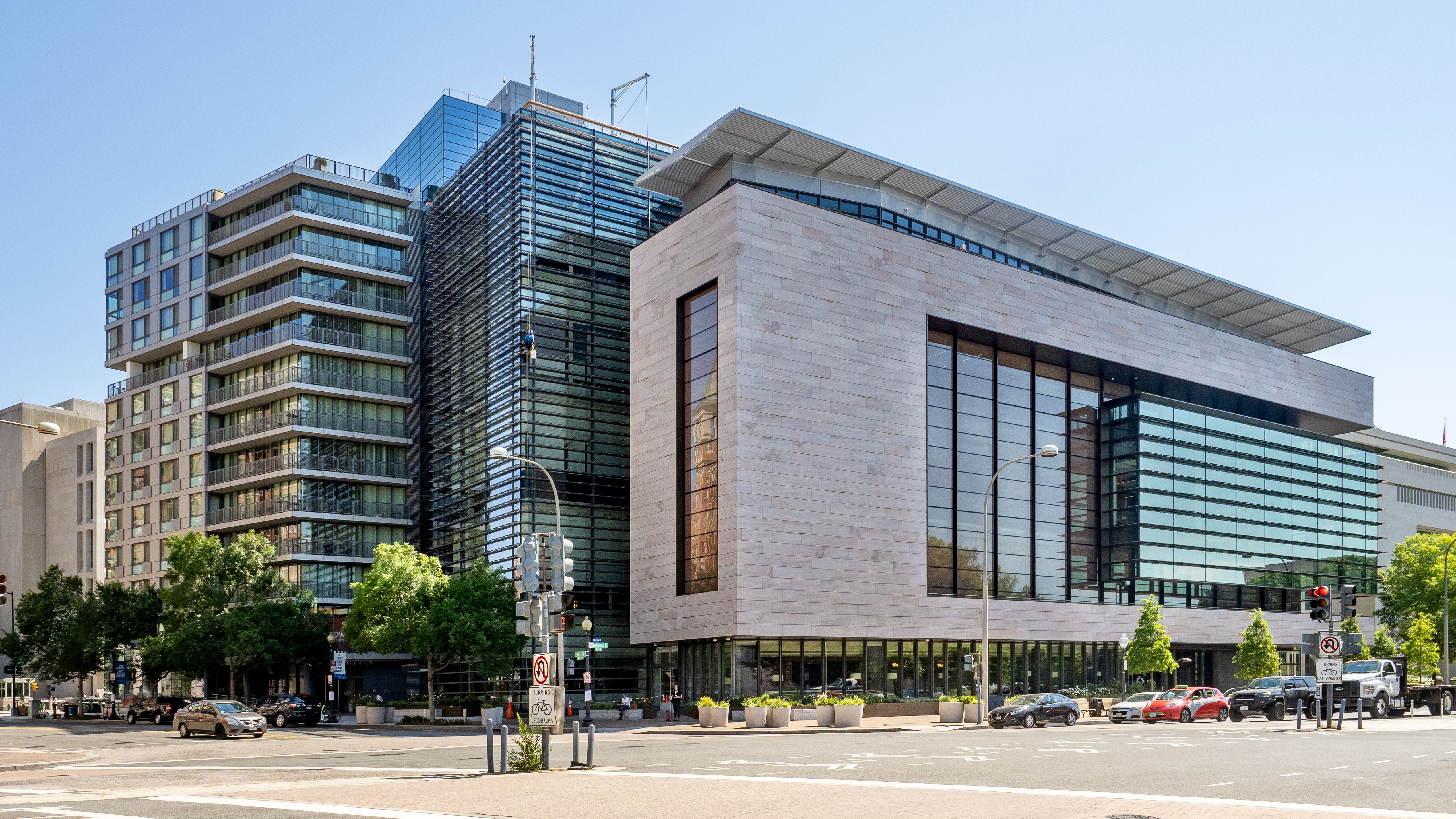
This year, our challenge is to approach our studies with the same compassion we hope to bring to the problems we seek to solve. That is especially true for the incoming MAIR class, stepping into the Hopkins Bloomberg Center for the first time.
The syllabi ahead carry immense demands, but they should not keep you from living fully and adventurously through this chapter. Academic rigor matters deeply, yet the value of a SAIS education is also found in the spaces between formal coursework. Curiosity requires intellectual wandering, whether that means enrolling in an unfamiliar elective, challenging long-held assumptions during a debate at the Beach, or grabbing coffee with a classmate whose experience of the world differs completely from your own.
Beyond the classroom, active participation in the student community turns academic theory into lived practice. It also preserves the empathy and excitement that academic rigor can sometimes wear down. Show up to the speaker events and panel discussions, organize policy hackathons, write for student journals, and build student clubs from the ground up. These extracurricular spaces offer a rare sandbox for building camaraderie, navigating ambiguity, testing ideas, and forging lifelong bonds with people who may someday shape the institutions we study today.
One year at SAIS may sober us up to the immense difficulty of navigating a turbulent world. A second year, alongside a commitment to fully engage with the community around us, can give us the tools, human perspective, and courage to shape it anyway.