
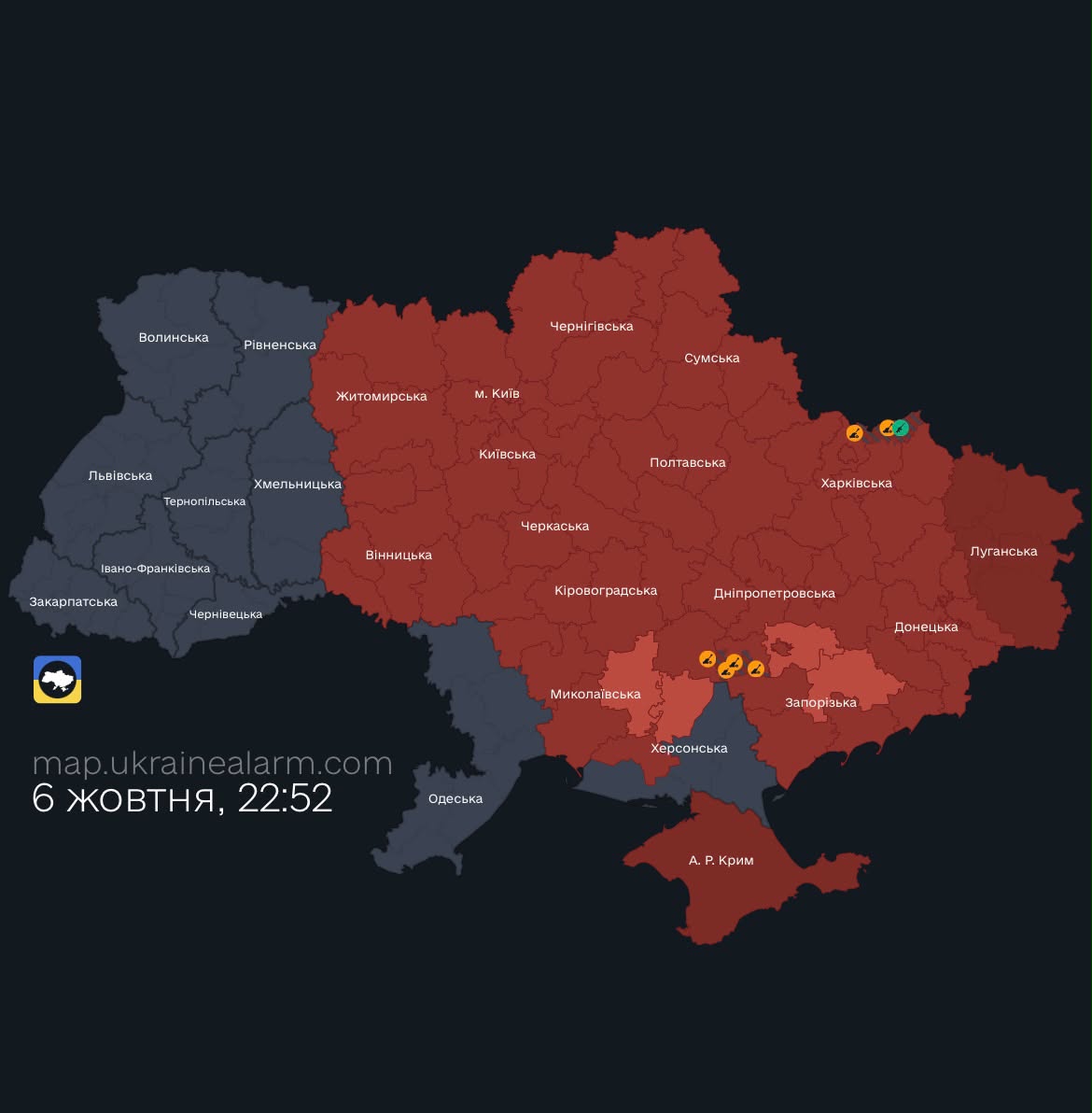
Attention. Air raid alert. Proceed to the nearest shelter. These were the words that woke me in the middle of the night. I jolted up in my bed and grabbed my phone as a loud siren screamed from its speakers, blending with the air raid siren blaring outside the window of my hotel room. I jumped out of the bed and hurriedly pulled my clothes on, jeans and a T-shirt that I had left out on a side table for quick access. I silenced my phone and shoved it in my pockets. Thirty seconds had passed. I ran to my backpack, already packed with the essentials—a first aid kit, a portable charger, changes of clothes—and threw it over my shoulder. I exited the room as quickly as I could. Forty-five seconds. I walked quickly down the hall to the elevator and rode it down to the first floor. One minute. From there, I joined several others in climbing down the flights of stairs that led to the hotel garage, then to another set of stairs, and finally to the air raid shelter. One minute, thirty seconds. The shelter had many rows of beds, all taken. Bean bags sat strewn around another room. I threw myself on one and closed my eyes. I woke up slumped on the beanbag when my phone screamed again. This time, it said: Attention. The air alert is over. May the force be with you.
On August 24th, a group of students and alumni from SAIS, the Harvard Kennedy School, Columbia SIPA, and MIT Sloan, arrived in Kyiv, Ukraine, as part of an unofficial trek to visit defense tech companies and speak with domestic political leaders. After a 14 hour train ride from Warsaw, Poland, interrupted twice by extended Ukrainian and Polish border checks, we arrived at our hotels and could finally attempt to relax.
We knew, however, not to take this feeling for granted; Kyiv is the focal point of Russia’s newest phase of its war in Ukraine.
Every Ukrainian (and now a group of the students and alumni from the aforementioned U.S. universities) knows the distinct buzz of a Shahed drone. Every Ukrainian knows the sound of the Tryvoha, the air raid alarm notification system that blares on their phones, giving people sometimes less than three minutes to find shelter before impact. With Russia’s recent employment of ballistic missiles, that time has been compressed to just under one minute. A minute to find shelter at any time, a minute to get dressed if sleeping or in the shower, a minute to find the backpack of emergency items they might need in case they cannot return to their apartment afterwards.
Every student on the trek this summer also had the displeasure of experiencing these Tryvoha as well. The first few days of the trek were uneventful: European leaders visited Kyiv on August 23rd to celebrate Kyiv independence day, leaving August 24th, and Moscow stayed its militant hand. No drones, and more fortuitously, no ballistics. This was almost certainly due to the visit, though this is unconfirmed. Moscow didn’t even wait a full day before resuming its assault on the night of August 24th. Russia sent more drones and missiles, and then on August 27th, likely taking advantage of Ukraine’s lack of interceptors in a time where Russia has a massive stockpile of ballistic missiles, Russia shifted its tactics. Before this day, Russia primarily focused on bombarding Ukraine over the night. The shift marked an increase in the quantity and duration of air alerts, but it also marked an increasing focus on daytime assaults. With Ukraine only able to intercept about 57% of jet-powered Shahed drones, and lacking Patriot interceptors for ballistic missiles, Moscow has had little difficulty penetrating Kyiv’s defenses and those of other cities in Ukraine. The students on the trek were lucky—our time in Kyiv was mostly over by the time Russia shifted to this new tactic. We lived through nighttime raids but until that day, our days were mostly undisturbed. Since August 27th, permanent Kyivan residents, and Ukrainians in other parts of the country such as Kharkiv and Odesa, have had to live with this reality almost every moment of every day. The only respite came in early September, when Moscow and Kyiv briefly paused strikes on each other’s capitals for a visit by U.S. envoys. Alerts in Kyiv stayed lighter for about two weeks before returning in full force on September 20.

I spent some time speaking with Ukrainians who have lived in Kyiv since at least the beginning of the war. On August 27th, when this new phase of terror began, I spent the day in the Kyiv train station. I purchased a ticket to visit a close friend of mine in Ternopil, a city in western Ukraine, about a two-hour drive east of Lviv. A young Ukrainian woman told me, while waiting for a friend of hers coming from Odessa, that she was just tired. Tired of the constant air alerts, tired of having to live her life in this way. Several others with whom I spoke in a combination of broken Ukrainian and what English they knew echoed the sentiment. That was the first day of the new phase of war.
With an average of 7.3 air alerts every day, many Ukrainians have taken to simply staying at the shelters. Several students I knew on the trip took to sleeping in the shelter overnight. I considered it myself: going to the shelter in the middle of the night for the duration of the air alert, about 59 minutes on average, only to return to my room at 2 a.m. and go back to the shelter three or four more times throughout the night, is exhausting. These nights reflected the pattern even before August 27th. Since then, with alerts nearly constant, many Kyivans have begun ignoring the warnings altogether, unable to put their lives on hold several times a day. Although casualty rates have remained relatively consistent, as drone and missile strikes are more common, the number of days where casualties occurred has increased. Russia’s new phase of war, emphasizing strain on Ukrainian resilience, has clearly seen some effect.

This new phase of Russia’s war in Ukraine is characterized by long-range “deep strikes,” typically considered attacks conducted 400km or more into Russian or Ukrainian territory. The Russian military’s recent defense innovations, such as the increased application of jet-powered Shaheds and its new 550km-range Iskander-1000 missiles, 50km farther than their previous Iskanders, have significantly increased the frequency of these deep strikes. All day and all night, Russia bombards the capital of Ukraine. Ukraine relies on long-range drones to counter-attack targets deep inside Russia, including Moscow; Zelensky recently approved additional measures to conduct long-range strikes into Russia. Russia’s long-range missiles and drones are now the leading cause of civilian casualties in this war, mostly in cities far from the front. A UN commission of inquiry has already found that Russian forces deliberately target civilians with drones in front-line regions such as Kherson, conduct it classified as crimes against humanity. Analysis by Meduza, an independent source that covers news in Russia, suggests that Russian strikes disproportionately target civilians and Ukrainian strikes in Russia appear to mainly target infrastructure. While the two countries differ in their targets, one of their goals is the same: force the other to negotiate a peace deal while they hold the advantage. Russia’s goal is straightforward: test Ukraine’s resilience to the point that it acquiesces to a peace deal on terms favorable to Russia.

This graph is an adapted and updated version of the following posted by Kyiv Post: https://www.facebook.com/photo/?fbid=1732542012087053&set=pcb.1732542242087030
As with all wars, civilians bear the worst consequences of their leaders’ grand strategies. No one needs to reiterate that the war has been brutal for both Ukrainians and Russians. With 1.4 million casualties (killed and wounded) on the Russian side, and between 525,000 and 625,000 casualties on the Ukrainian side, this war of attrition has had a serious human cost for both nations. Many Ukrainians (and Russians) feel that loss at home. Sons and husbands leave and never return; both governments lack the personnel necessary to even inform the families that their loved ones were killed in battle.
The closing message of the air alert app is May the force be with you. Mark Hamill generously recorded voice lines for the English version of the app, and now foreign visitors are used to hearing Luke Skywalker’s voice whenever an air alert ends. With Russia increasingly employing coercive tactics focused on straining the civilian population, Ukraine has no choice but to fight back. When I think back on my ten days in Ukraine, I can’t help but reflect on the fact that it took me more than a minute to get to the shelter. What if the threat was a ballistic missile? What if they targeted our hotel? It was the first day of the new phase, so maybe a patriot would have intercepted it. But would it?