
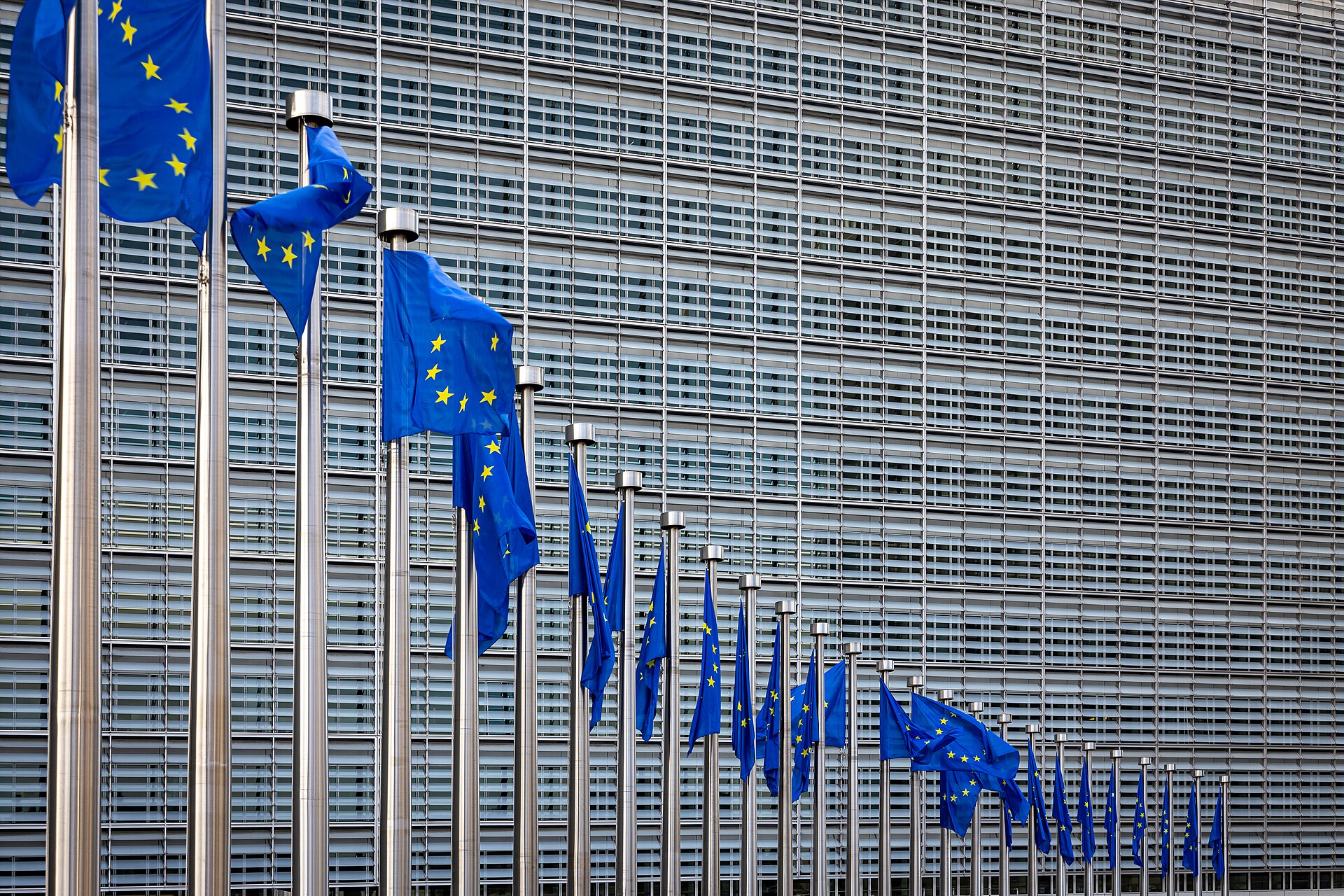
The European Single Market is to be understood not simply as a free-trade area, but as an integrated market built around the free movement of goods, services, capital and people.
Yet the abolition of internal customs duties in 1968 did not eliminate the national barriers that continue to constrain economic integration. Diverging regulation, technical standards, and administrative procedures have left the EU with a system of pseudo-free trade: formally open but still fragmented in practice.
The European Commission’s Annual Single Market and Competitiveness Report identifies this cleavage between legal integration and economic reality as a persistent source of fragmentation. The 2026 One Europe, One Market roadmap thus seeks to establish a framework by the end of 2027 to dismantle these barriers, with simplification measures expected to save EU companies 37.5 billion euros by 2029.
The agenda combines regulatory simplification with reforms to public procurement, capital markets and labor mobility, alongside measures on digital infrastructure, energy costs and industrial competitiveness.
Yet much of the agenda remains subject to legislative negotiations, with the central obstacles as much political as technical. Indeed, national governments have the incentive to prioritize and protect domestic interests. Differences in national rules can reflect legitimate social, environmental, consumer and industry-protection objectives. The challenge is to identify and remove unjustified barriers.
The reforms must also be implemented consistently across member states. In a 2026 report, the Commission exposed Single Market directive “conformity deficits” at 1.1%, over twice the EU target of 0.5%. The ultimate test is therefore whether the reforms translate into lower cross-border costs, more consistent national implementation and a genuinely more integrated market.
Capital markets integration is a particularly consequential test of the Single Market’s unfinished business. Although the EU has long pursued a Capital Markets Union, national differences in supervision, market rules and financial infrastructure continue to hinder cross-border investment, limiting the scale at which European firms can raise capital and investors can diversify their portfolios.
Europe’s problem is not a shortage of savings, but a failure to channel them into domestic investment. Currently, EU households hold around 70% of their savings in bank deposits. Of the remainder, around 300 billion euros in European savings flow abroad, primarily financing US firms. This reflects a structural weakness of Europe’s financial architecture: fragmented capital markets and limited access to attractive, accessible investment opportunities restrain the conversion of private wealth into productive investment. Two main consequences arise: European savers miss out on higher returns, while European firms lack financing for innovation, scaling, and strategic autonomy – crucially falling behind on productivity and competitiveness.
The Commission’s Savings and Investments Union, reinforced by the December 2025 Market Integration and Supervision Package, seeks to address these weaknesses by reducing barriers to cross-border investment and improving the consistency of supervision. The package is particularly significant because it targets the institutional fragmentation that makes moving capital between EU member states more difficult than investing in some non-EU markets. On October 9, 2026, the Council agreed its negotiating position, and the European Parliament must still adopt its own position before interinstitutional negotiations can proceed. The outcome will therefore depend on whether the co-legislators can agree on a strong common framework and reconcile national regulatory interests.
Ultimately, progress will depend on whether the reforms are politically desirable. And as EEC history has shown, harmonization on paper does not automatically translate into integrated markets.