
Before the sun even rose on Kyiv on February 24, 2022, Vladimir Putin had already declared war.
After months of coordinated and secretive planning by the Russian military to attack Ukraine, the Russians began mobilizing troops along the eastern and northern borders with the ultimate goal of capturing the capital.
For Putin, taking Kyiv was the central objective of his Spetsialnaya Voyennaya Operatsiya – his “Special Military Operation” – so that the Russians may ‘denazify’ the ‘Kyivan regime’. Unfortunately for Putin’s denazification propaganda, the Nazis in Kyiv elected a Jewish comedian as their president in 2019.
But since that very morning when Moscow’s children slept soundlessly in their beds, Ukrainians were dragged from theirs by a cacophony of air-raid sirens. Videos and images flooded social media, and European politicians and their citizenry would become witnesses to the largest and most costly land war on the continent since the Second World War.
Four years later, however, Putin is no closer to capturing Kyiv. Since 2022, Putin has unintentionally rallied international support towards the Ukrainian cause, allegedly killed his favorite chef and chief mercenary Yevgeny Prigozhin, and forced the once clean-shaven comedian into a bearded war hero who chooses the military fatigues of his people rather than the tailored suits of the West. With €231.6 billion in overall support from the EU and its member states, as well as with Ukrainian tech ingenuity, Zelensky has helped lock the Russian military into a stalemate. Nevertheless, even while Russia has suffered over a million casualties and faces mounting economic stagnation and fiscal pressures, the Kremlin continues to provoke the boogeyman that has obsessed Putin for two decades: NATO.
This obsession must be taken seriously and deservedly so – but not in the way Moscow desires.
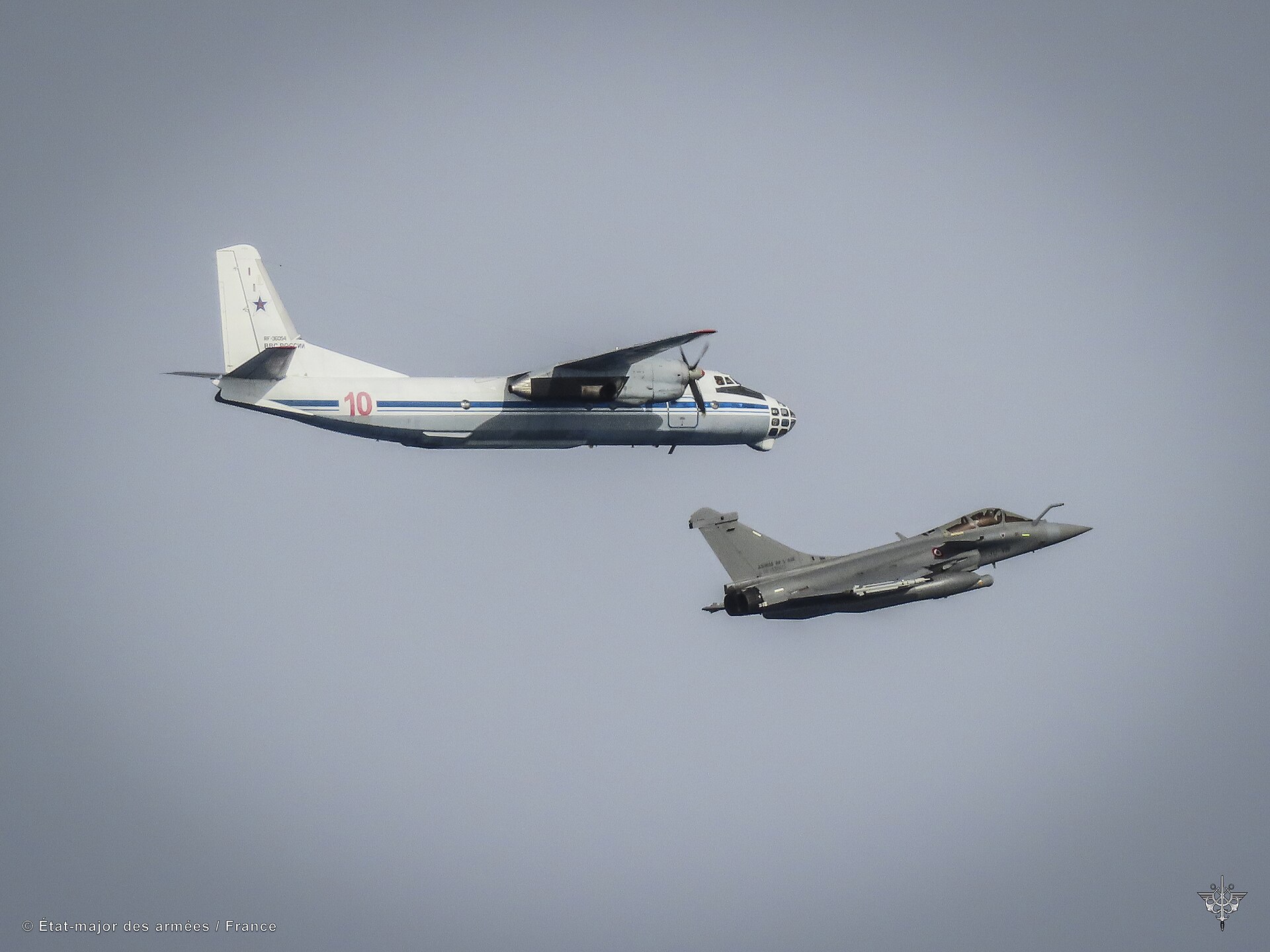
Over the last year and a half, several Eastern European governments have reported a steady drumbeat of near-Russian incursions into their territories. In September 2025, swarms of Russian drones were shot down by NATO forces after violating Polish airspace amidst an ongoing large-scale attack in Ukraine. In July 2026, a Russian Kh-101 cruise missile was sighted in Polish airspace, triggering the scramble of NATO F-16 jets and other support aircraft, according to Polish authorities. In May 2026, Romanian reports outlined how a Russian drone strike produced the first official record of civilian casualties in a NATO-aligned country when a Russian drone collided with an apartment building. And in the Baltics, Spanish EF-18M Hornets operating from Estonia scrambled to identify and escort a Russian surveillance aircraft flying over the Baltic Sea.
These tactics are not indications of a full-scale Russian invasion of NATO territory. They’re cheap probes from a government that cannot, in a depleted capacity, wage a fight against NATO forces. Putin’s speeches are often imbued with the notion of irresponsible inaction by Moscow in the event of Western expansion, arguing Russia has been too patient and deceived one too many times. Now, all Russia needs is for NATO to take its bluff seriously.
Tragically, it seems that the Russian lure is proving effective. This past month, a major Bloomberg News investigative report has stated that European intelligence agencies and defence personnel believe Russia may “increase drone, missile and cyber operations against Ukraine-supporting states.” During a high-profile address to the Polish Parliament, Prime Minister Donald Tusk said, “the most likely scenario for the next few months is that Russia will step up attacks against Ukraine and its allies, including Poland” – a warning that French President Macron remarked as “sound and well documented.” Several EU member states have coordinated the fortification of critical infrastructure like hospitals and aerial defense systems since the announcement, and European Commission President von der Leyen emphasized that “Russia will see our resolve only growing stronger.” European officials’ concerns are valid and should be treated with such immediate attention. However, the distinction between showing resolve and preparing for war matters significantly when considering Europe’s next steps. While Europe’s current defensive measures are both justified and necessary, its leaders must remain mindful of how quickly deterrence can give way to escalation. Though, this appears to be more than just Europeans showing resolve. Instead, it seems that Europe is preparing for war.
When CIA Director John Ratcliffe travelled to Moscow in a Boeing C-17 Globemaster for a meeting with Kremlin officials, his warning against military action in the Baltics appeared to put far more constraint on the Kremlin than any European statements toward Moscow.
Admittedly, the last meeting between the U.S. spy chief and the Kremlin was far from successful. In 2021, former CIA head Bill Burns flew to Moscow only a few short months before the war and notified the Kremlin that U.S. intelligence had information on Moscow’s invasion plans for Ukraine. Burns directed the Kremlin at the time that they ought to refrain from such actions. But as we should know by now, Burns’ meeting was ineffective, and the war has since inflicted millions of casualties.
These developments are undoubtedly worrisome. But I hate to admit it, I am skeptical.
However menacing the Russian state may be, by all accounts, it is severely weakened. Russian agents have been reported to employ coercive recruitment practices, including dragging people out of their cars to sign military contracts; its ranks are littered with conscripts and impoverished contracted recruits, convicts and third-country nationals, all the while Ukrainian drone operations against energy infrastructure are crippling the state’s energy economy. By these measures, is the Kremlin really prepared to fight a full-scale land and naval war against the most powerful military alliance on the planet? No. But it’s prepared to make NATO believe that it is.
I am not privy to NATO intelligence assessments, and I won’t pretend to believe that I am more connected to diplomatic channels than any official making the final call. However, I implore anyone involved to analyze Russian conduct over the last four years of conflict: provocation may be cheap, but a military reaction is costly.
No government wishes to sacrifice its citizens for a war against Russia, a country that would chew off its own arm when its life is in danger. The goal of Europe should be to remain steadfast in its defense posture and not to retaliate militarily. Continue arming Ukraine with advanced weaponry, continue sharing of actionable intelligence and continue to maintain regional defense systems. Remember, the Kremlin has already failed in achieving many of its original objectives, despite years of fighting. It is stuck in a war of attrition with an adversary it did not respect and one without NATO’s direct involvement.
Europe must now show restraint and be vigilant. Every drone, every rogue missile and every border violation is a trap laid by the Russian Bear. And all Europe has to do is not step into its blood-soaked jaws.