
My mother is a police officer who mediates complaints against her own service. When someone believes an officer has treated them unfairly, she brings both sides together to resolve their differences. She would tell you that trust is central to everything she does.
The world needs this type of trust-building more than ever. The international order is rupturing; conflicts are multiplying; and distrust, even among allies, is becoming the norm. Meanwhile, there are few countries trusted to broker peace globally.
If Canada wants to help shape what comes next, we must invest in infrastructure that builds trust globally, namely, our international peace mediation capacity. First, investing in international peace mediation would strengthen trust in Canada abroad. Durable peace requires countries willing to build the table and bring adversaries to it; Canada already has a record of doing just this. From its important diplomatic role in defusing the 1956 Suez Crisis, to its leadership in the Ottawa Process in the mid-1990s, to its championing of the International Criminal Court, Canada has shown its commitment to international peace processes.
Yet, Canada currently risks signalling the opposite. Ottawa is correct in rebuilding its military capacity, but defence spending alone may demonstrate to the world that Canada now only values hard power. Coupled with the recent withdrawal of our last United Nations peacekeepers, this suggests a loss of faith in a field that we initially helped create. As a result, investing in international mediation would show the world that Canada still believes in the importance of global peace processes.
Second, investing in international peace mediation would strengthen Canadians’ trust in our own foreign policy. Many Canadians, worried about the cost of living, doubt that international spending delivers for them. These days, any international affairs spending needs to show clear value, and there are few foreign policy tools that are more cost-effective than peace mediation. In its leanest form, it requires funding trained diplomats and their respective travel budgets, which is negligible compared to what Canada has already committed to spending on defence.
Additionally, wars cost Canadians dearly; for example, this year’s attacks on Iran showed up at our gas pumps and grocery stores. And the costs are far more than financial; in a country built on immigration, nearly every war has a Canadian diasporic population attached to it. Investing in peace shows these Canadians that their government takes the wars affecting their families seriously and spends their money wisely.
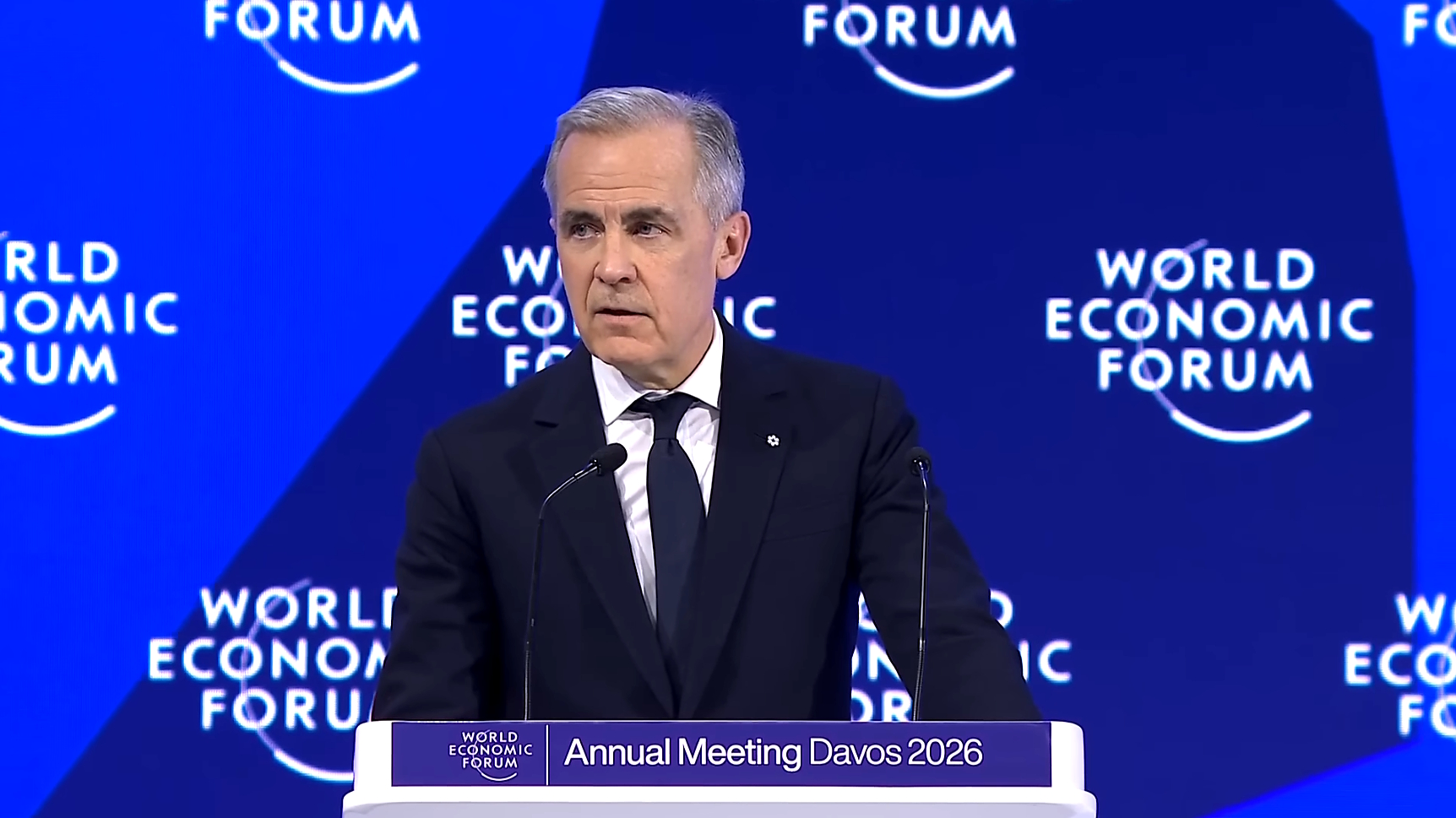
Third, investing in international peace mediation offers Canada a way to lead alongside other middle powers. In January 2026, Prime Minister Mark Carney urged middle powers to act together. Peacemaking is a natural place to start, as it is a team sport. Beyond the peace processes, working together pays quiet dividends. Relationships between professional mediators, which tend to outlast the politics of the day, build trust among countries that ripples into trade, defence, and many other sectors.
Furthermore, Canada would bring something valuable as a newer actor in this field; after generations of experience managing relations with the world’s most powerful country, we are able to inform the field in an especially topical way. Canadians know what it means to negotiate from a position of less power and can help design peace processes that work for all parties involved, not just the strongest.
To be sure, it is important to understand where critics may find fault in Canada as a leading peace mediator. First, as a North Atlantic Treaty Organization member and the United States’ closest neighbour, Canada is not neutral. What is more important, however, is a commitment to processes that are inclusive, impartial, and ultimately all parties’ trust.
Additionally, peace mediation often means sitting across from regimes Canadians rightly condemn. The answer is transparency with the public about the rules of engagement and explicitly showing that mediating peace talks does not mean endorsing either side.
Finally, peace processes must often balance justice against stability. But mediation is usually the first step in a longer peacebuilding process, not the last word. Canada should follow multilateral standards and make clear from the outset that a ceasefire today does not rule out accountability tomorrow.
Former US President Barack Obama told Parliament in 2016 that “the world needs more Canada.” A decade later, this is truer than ever, as the world needs countries committed to building trust globally. As the old order ruptures, Canada needs to invest in its own international peace mediation capacity.