
By: Jameson Matinho
Edited By: Anonymous
The United States and other liberal democracies have spent decades creating and defending the rules-based international order to promote cooperation and multilateralism between states. However, American foreign policy over the past decade has undermined this eighty-year-old system through an insistence on unilateral action and protectionist policies. As a result of this myopia and chaos, our allies have lost faith in us and our adversaries gain credibility. If such policies continue, the institutions that provide unprecedented peace and prosperity will wither and die. American leaders must support international institutions and uphold liberal values in foreign policy to sustain U.S. credibility and the rules-based international order.
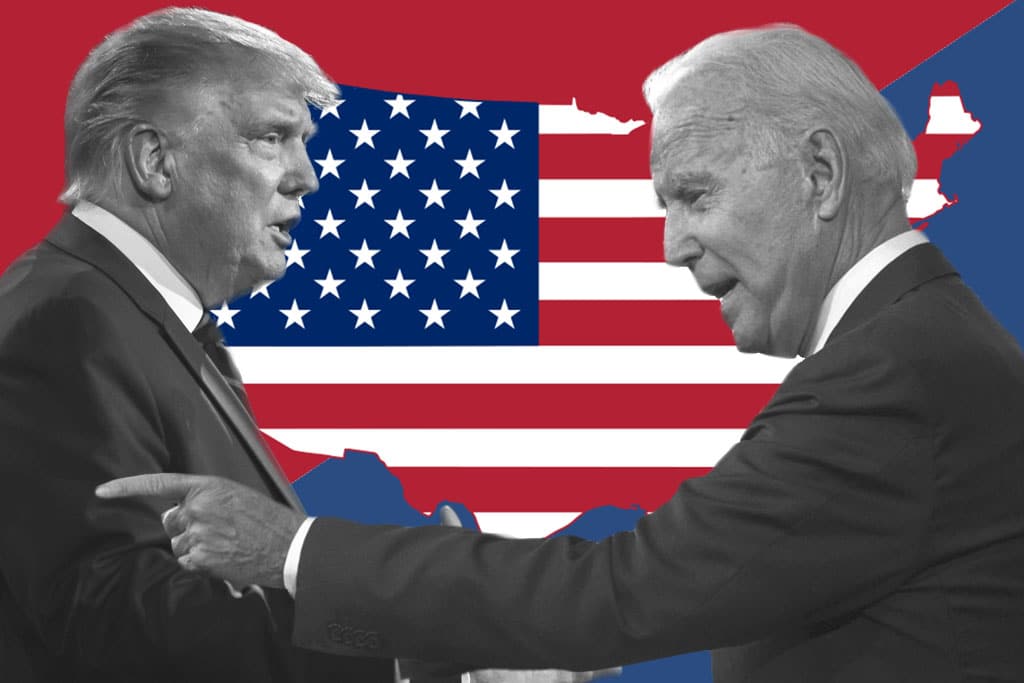
Following an erratic four years under President Donald Trump, many foreign leaders expressed relief as Joe Biden took office. Most of Biden’s foreign policy represents a return to U.S. respect for international norms and institutions. However, three glaring exceptions stand out.
The Trump administration’s unilateral decision to withdraw from Afghanistan, which was continued by the Biden administration, sent a negative signal to U.S. allies and other global actors about America’s commitment to a rules-based international order and liberal values. The sloppy withdrawal of US forces was a betrayal to the young Republic of Afghanistan. The Biden and Trump administrations’ fatal failure to work through multilateral bodies prompts allies to question America‘s bona fides as a defender of democracy.
President Biden’s trade policy, marked by the continuation and expansion of tariffs from the Trump era, prompted a global trend of economic nationalism that prioritizes domestic industries over international cooperation. By upholding these tariffs, Biden has aligned his administration with protectionist measures that run counter to the free trade principles long championed by the U.S. Additionally, the Biden administration’s U.S. Trade Representative continues to block the appointment of judges to the World Trade Organization’s courts and its board. These actions demonstrate a retreat from a core multilateral institution that the U.S. helped establish after World War II to foster global economic stability and cooperation.
Biden’s biggest anti-international order faux pas is his continued unconditional support for Israel. In any leadership context, unquestioning support for a partner which acts contrary to your organization’s values sows distrust and hypocrisy. The current Biden-Israel relationship is no different. By refusing to hold the Netanyahu government accountable for its violations of international humanitarian law in Gaza, Washington undermines the rules-based international order it claims to defend.
Louis Henkin once noted that “almost all nations observe almost all principles of international law and almost all of their obligations almost all the time.” This holds true for U.S. foreign policy towards international institutions. Even with the botched pullout from Afghanistan, Biden is restoring U.S. partnerships disparaged by Trump. His administration is supporting Ukraine during the largest invasion on European soil since World War II and in a historic step, has added two new members to NATO. However, the U.S. faces higher scrutiny and pressure as it serves as a role model of institutionalism and its historic purveyor.
The United States must work with and through international institutions to buttress global adherence to the international order, which it greatly benefits from. In doing so, the United States can demonstrate its commitment to the principles that underlie these institutions, promote international cooperation, and stifle challenges to the international order. If the United States can renew its commitment to the liberal international order, Washington and the world will be more prepared to effectively face future diplomatic challenges.
The 2024 presidential election may determine if the U.S. will continue or abandon its pattern of unilateralism. If there is a second Trump administration, it will be a return to what Harris continues to call “the same old tired playbook.” It remains to be seen if Harris will represent the same myopic approach to foreign policy as her current boss. A “naming and shaming” policy, possibly in line with the Global Magnitsky Act, toward Israeli forces breaking humanitarian law in Gaza would be a powerful start to a U.S. return as leader of multilateralism. The United States must recommit to serving as an exemplar of the rules-based international order, demonstrating through actions that it upholds the very principles of cooperation, justice, and multilateralism that it helped establish.